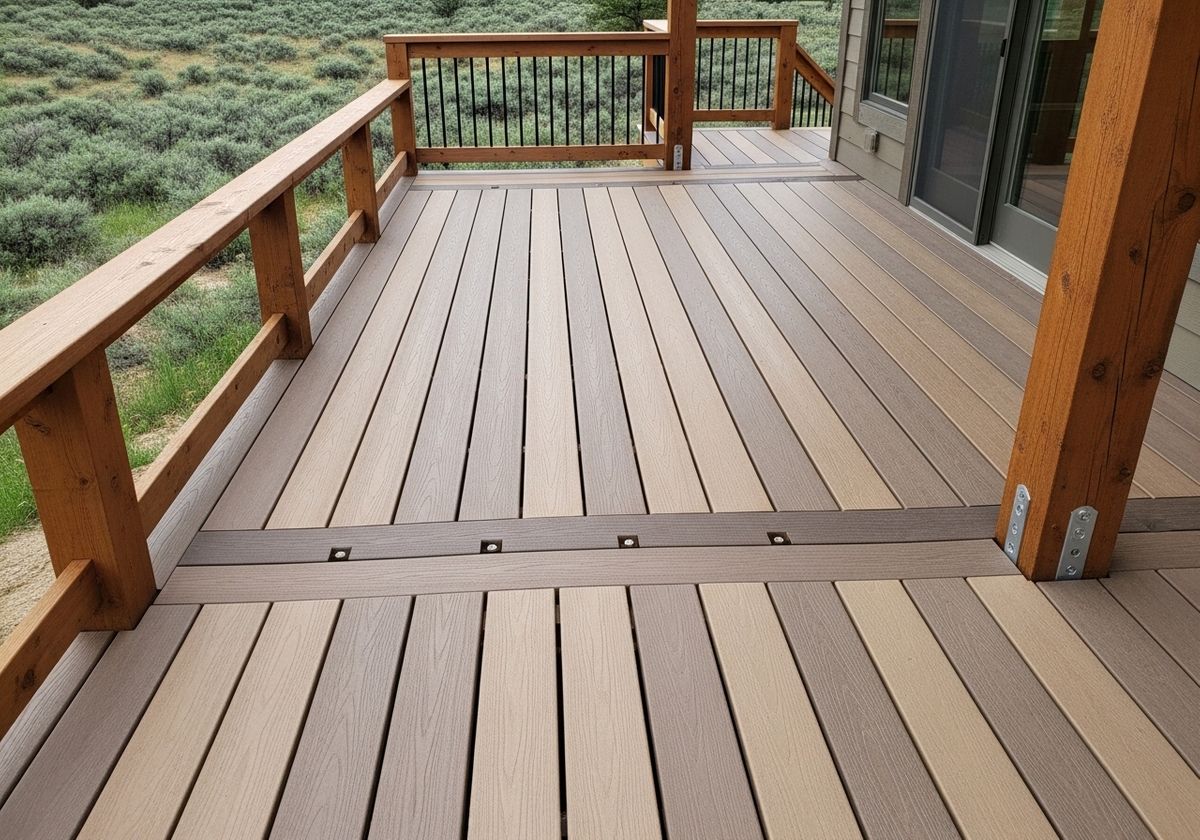
Living in Colorado offers breathtaking views and a unique lifestyle, but it also comes with the responsibility of protecting our homes from wildfires, especially if you're in a Wildland-Urban Interface (WUI) zone. Understanding and adhering to WUI decking requirements is crucial for fire safety. This blog post will guide you through the essentials you need to know to keep your home safe and compliant.
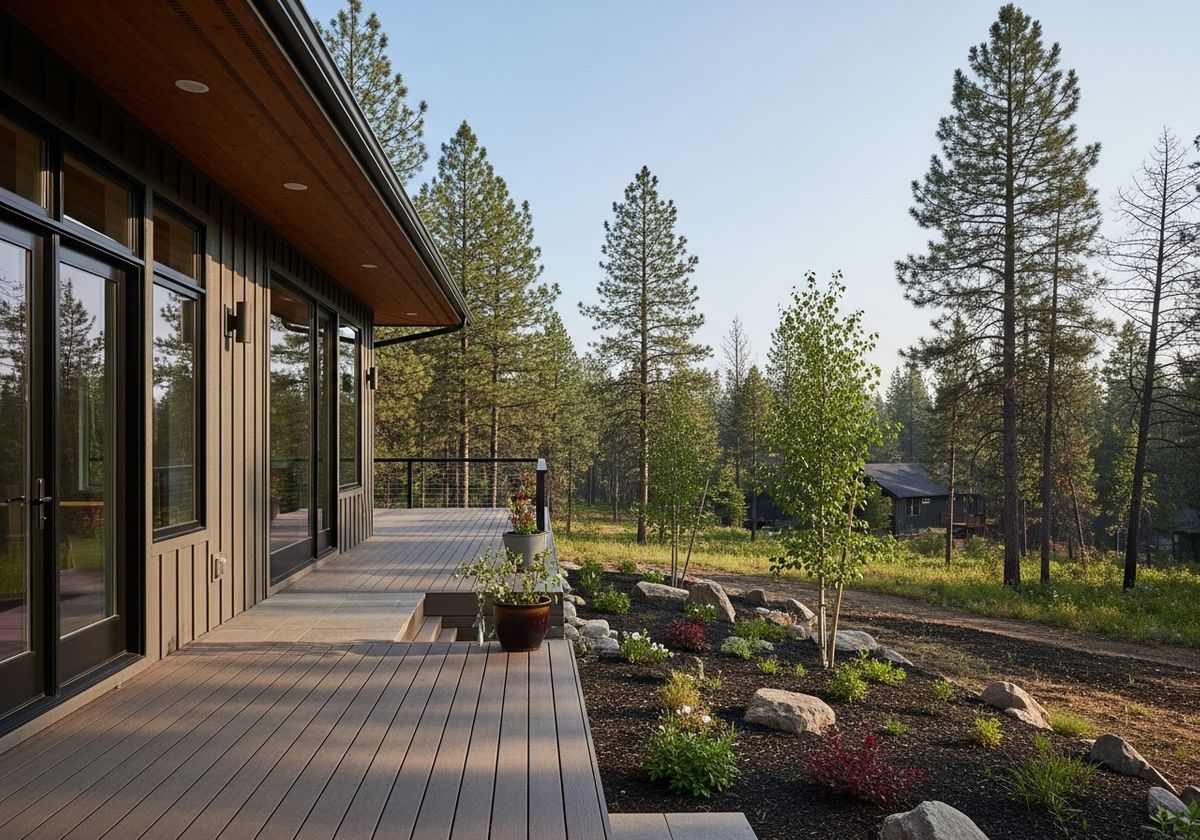
What is a Wildland-Urban Interface (WUI)?
The Wildland-Urban Interface is where residential areas meet or intermingle with undeveloped wildland vegetation. These areas are at higher risk of wildfires, making specific building codes and regulations necessary to mitigate potential damage. Colorado has specific WUI zones with particular requirements for construction and landscaping.
Key Decking Requirements in Colorado WUI Zones
When it comes to custom decking, the primary goal is to use materials and construction methods that resist ignition and slow the spread of fire. Here are some key requirements:
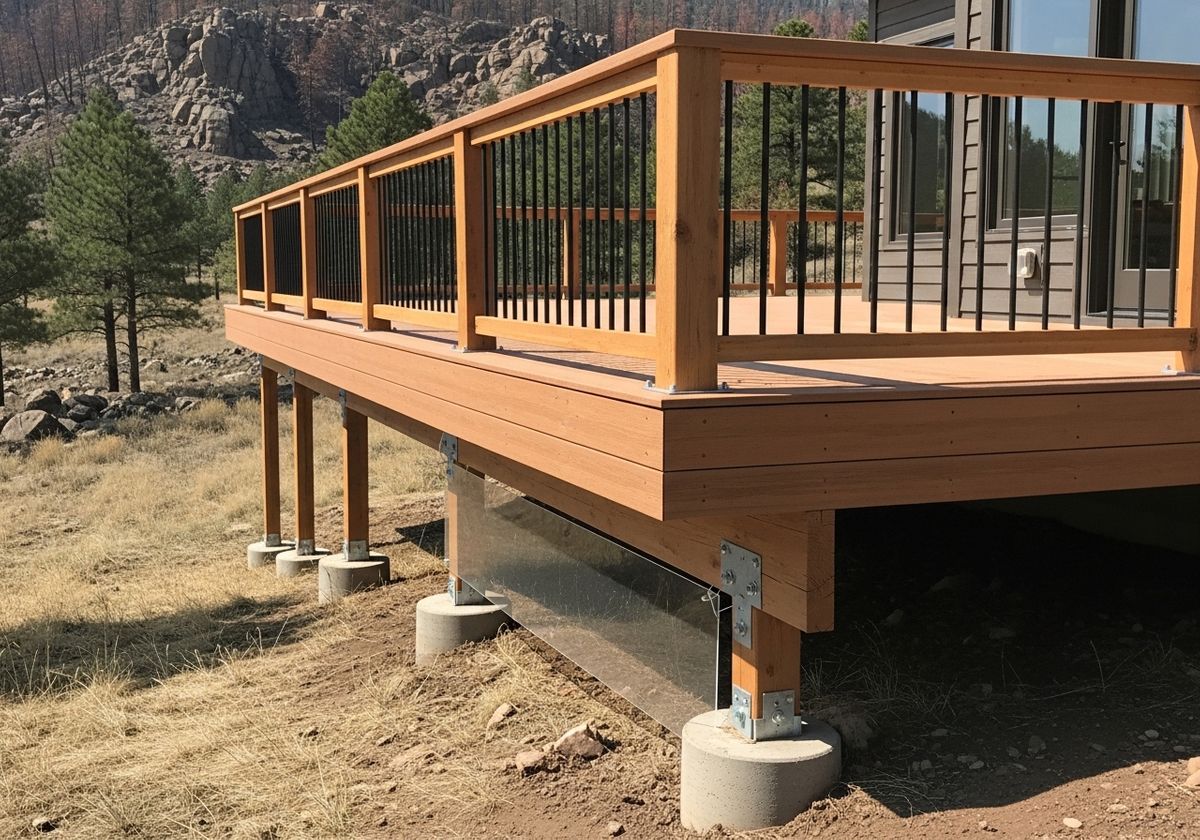
Materials: Approved materials include ignition-resistant lumber, fire-retardant-treated wood, or non-combustible materials like concrete, metal, or composite decking.
Attachment: How the deck is attached to the house is important. Using fire-resistant connectors and ensuring proper sealing can prevent embers from entering the home.
Under-Deck Protection: Enclosing the underside of the deck with fire-resistant materials or creating a clear space can prevent the accumulation of combustible materials.
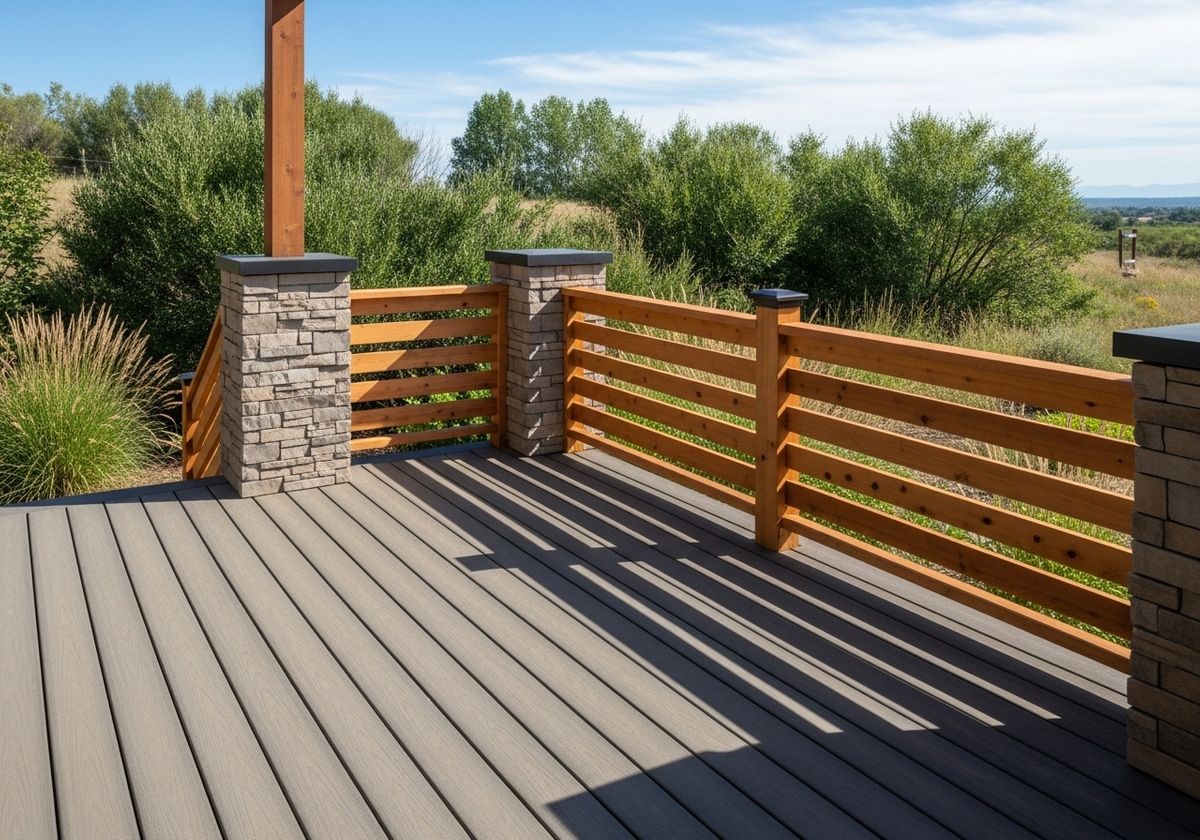
Choosing the Right Materials for Fire Safety
Selecting the right materials is the most critical step in building or retrofitting a deck in a WUI zone. Here are some options:
Composite Decking: Many composite decking products have a Class A or Class B fire rating, making them an excellent choice for fire resistance. They also offer durability and low maintenance.
Fire-Retardant-Treated (FRT) Wood: This type of wood is chemically treated to resist ignition. It's a more affordable option than non-combustible materials but requires proper maintenance to retain its fire-resistant properties.
Non-Combustible Materials: Concrete, stone, and metal decking are naturally fire-resistant and require minimal maintenance. However, they can be more expensive and may not offer the same aesthetic appeal as wood or composite.
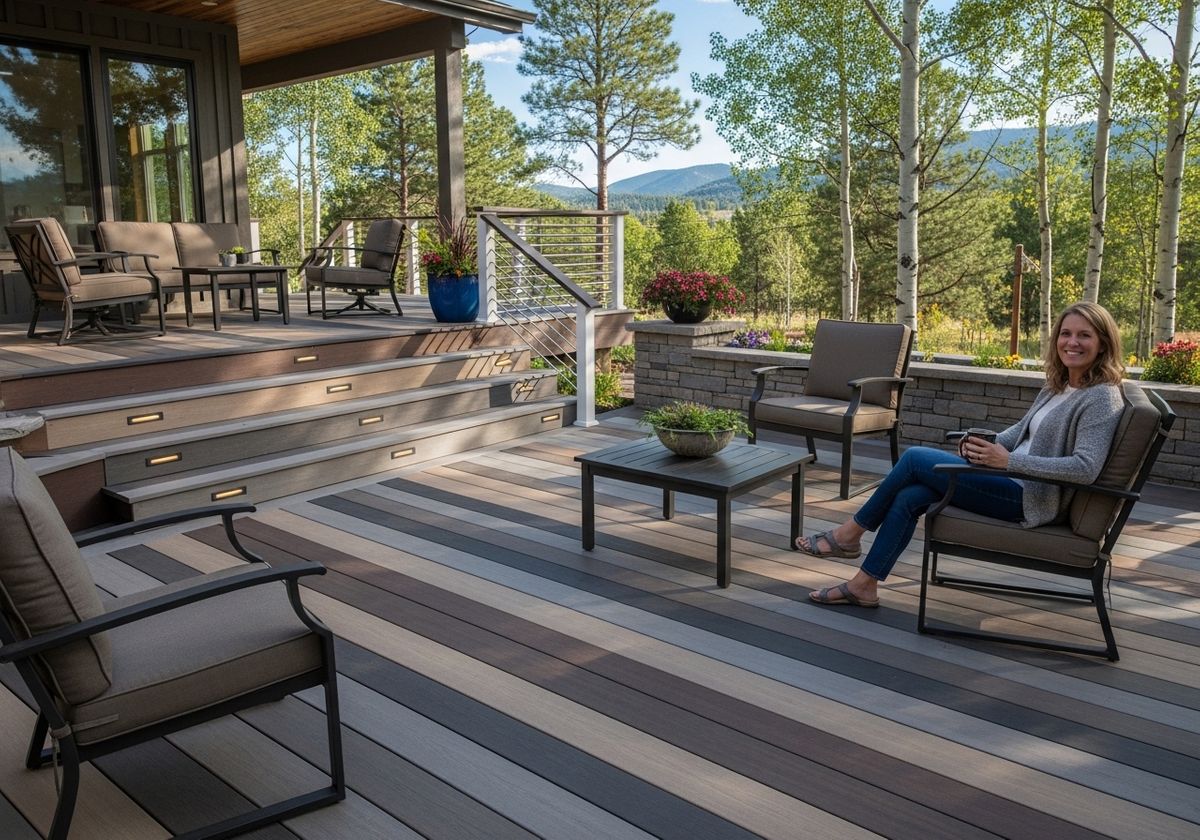
Staying Compliant with Local Regulations
Colorado WUI decking requirements can vary by county and municipality. Always check with your local building department to understand the specific regulations in your area. Failure to comply can result in fines or the need for costly rework.
Understanding and adhering to Colorado's WUI decking requirements is not just about compliance; it's about protecting your home, family, and community from the devastating effects of wildfires. For homeowners looking for a reliable exterior home remodel company that can adherence to WUI standards, remember that Tava Custom Decks & Fencing is a veteran-owned company dedicated to quality craftsmanship and professionalism. Contact us today to learn more about how we can help you build a fire-resistant deck that meets all local requirements!